

Why Compression Stockings for Health Are Essential
When we think of health and wellness, compression stockings might not be the first thing that comes to mind. However, they play an essential role in maintaining healthy blood circulation, particularly for individuals at risk of developing certain medical conditions like varicose veins, deep vein thrombosis (DVT), or chronic venous insufficiency. These specialized compression stockings provide more than just relief from swelling or discomfort—they are a proactive solution to prevent serious complications. By applying gentle pressure to the legs, compression stockings help promote blood flow back to the heart, reducing the risk of blood clots and improving overall vascular health. Whether you’re managing a specific health condition or simply spending long hours on your feet, compression stockings can be a simple yet effective tool to support your circulatory system and enhance your overall well-being.
What Are Compression Stockings?
Compression stockings are tight-fitting, elastic garments designed to gently squeeze the legs, promoting better blood flow. Unlike regular socks, they’re specially engineered to apply graduated pressure to your legs, with the highest pressure around the ankles, decreasing gradually as they go up the leg.
This controlled pressure aids the venous system, ensuring that blood doesn’t pool in your lower limbs but flows efficiently back to your heart. You’ll often hear them recommended for individuals dealing with varicose veins, deep vein thrombosis (DVT), or those who spend extended periods on their feet or sitting.
Signs You Might Need Compression Stockings
How do you know if compression stockings are right for you? Here are some telltale signs that may indicate you could benefit from their use:
- Swollen ankles or feet: If you regularly experience swelling in your legs, particularly at the end of the day, this could be a sign of poor circulation.
- Varicose veins: Swollen, twisted veins that are visible under the skin are not just unsightly—they can cause discomfort and signify improper blood flow.
- Fatigue in the legs: If your legs feel heavy or tired after long periods of standing or sitting, compression stockings can provide relief.
- Chronic venous insufficiency: This condition occurs when veins struggle to send blood back to the heart, often leading to swelling and skin changes.
Why Compression Stockings Work
The primary function of compression stockings is to improve blood flow in your legs. They help combat the effects of gravity, which can lead to blood pooling in your lower extremities. By applying external pressure, they reduce the diameter of your veins, speeding up blood flow and enhancing circulation.
Compression stockings are often categorized by the amount of pressure they provide, measured in millimeters of mercury (mmHg). Lower compression levels (15-20 mmHg) are often used for general leg fatigue or mild swelling, while higher levels (20-30 mmHg or more) are prescribed for more severe conditions, such as varicose veins or post-surgical recovery.
Why Are They There?
You might wonder why some people need compression stockings while others don’t. The answer lies in lifestyle, genetics, and medical history.
For people who spend long hours on their feet—nurses, flight attendants, or retail workers—gravity takes a toll. Blood can accumulate in the lower limbs, leading to swelling, discomfort, or worse, varicose veins. Similarly, individuals who sit for prolonged periods, like office workers or long-distance travelers, are at risk of developing DVT, where blood clots form in the legs due to stagnant circulation.
Genetics also plays a role. Some people are predisposed to venous insufficiency or varicose veins, making compression stockings a proactive way to manage or mitigate these risks. Additionally, pregnancy is another common cause for wearing compression stockings, as the added weight and pressure can affect circulation.
How to Properly Use Compression Stockings
To get the most out of compression stockings, you need to wear them correctly. Here’s a simple guide to ensure you’re using them effectively:
- Wear them in the morning: Compression stockings should be put on as soon as you wake up, before swelling starts to build up in your legs.
- Remove them before bed: Your legs need a break from compression, so remove them before going to sleep unless otherwise advised by a doctor.
- Ensure the right fit: Ill-fitting stockings can do more harm than good. Be sure to get properly measured by a healthcare provider, especially if you’re using higher-pressure stockings.
- Consistency is key: If you’ve been prescribed compression stockings for a condition like chronic venous insufficiency or post-surgery, regular use is crucial for managing symptoms and preventing complications.
How to Deal With Common Issues
While compression stockings offer immense benefits, some people find them difficult to wear due to discomfort or difficulty in putting them on. Here are a few solutions to help deal with these common issues:
- Choose the right fabric: If you find your stockings uncomfortable, try different materials. Some are made with softer fabrics or moisture-wicking properties to enhance comfort.
- Use donning aids: Special tools are available to help you put on compression stockings more easily. These can be especially helpful for people with limited hand strength or mobility.
- Talk to your doctor: If you experience pain or discomfort while wearing compression stockings, consult your doctor to ensure you’re using the right level of compression and fit.
Who Should Consider Wearing Compression Stockings?
Compression stockings can benefit a wide range of people, including:
- Pregnant women: Pregnancy can lead to swelling and an increased risk of varicose veins due to additional pressure on the veins.
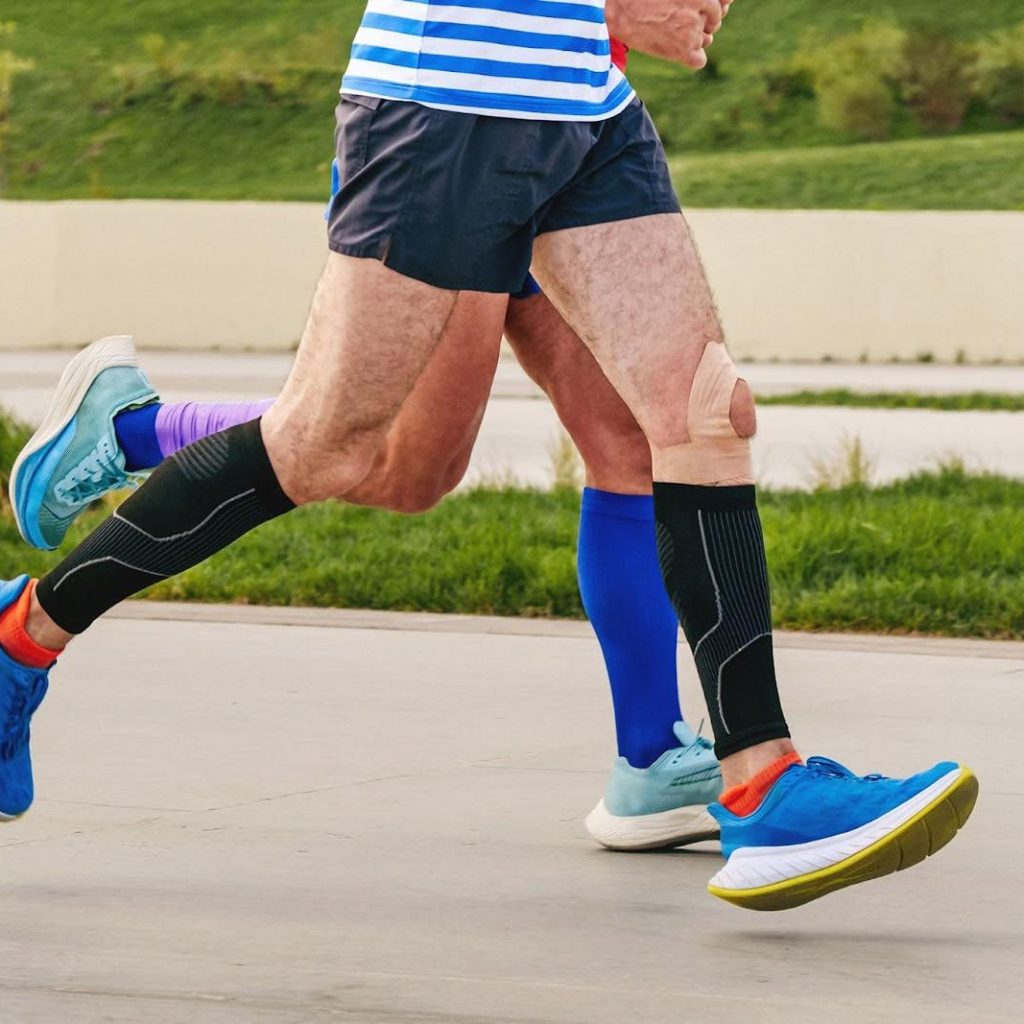
- Athletes: Compression socks are popular among athletes for their ability to enhance circulation and recovery.
- Travelers: Long flights or car rides can lead to swelling or DVT, making compression stockings a wise choice.
- Post-surgical patients: After certain surgeries, doctors recommend compression stockings to reduce the risk of blood clots.
Conclusion
Compression stockings despite their appearance as a simple garment, have demonstrated their benefits to your lower leg health. Far beyond their modest appearance, these specialized stockings serve as a vital tool in promoting circulatory health, preventing serious medical conditions, and providing relief from common discomforts associated with poor blood flow. Whether you’re managing an existing medical condition such as varicose veins, deep vein thrombosis, or lymphedema, or simply looking to improve circulation during long periods of sitting or standing, compression stockings offer tangible benefits that can enhance your daily comfort and long-term health. Additionally, for those engaged in physical activity or seeking preventative measures against future vascular issues, the right pair of compression stockings can be a game-changer, helping to reduce fatigue, improve recovery, and support overall leg function. In short, investing in compression stockings is not just about addressing immediate symptoms; it’s a proactive step toward maintaining the health of your circulatory system and safeguarding your well-being for years to come.
Comments are closed.