

How to Choose the Right Footcare Specialist for Ingrown Toenail Treatment
Dealing with an ingrown toenail can be both painful and frustrating. While many people search for quick fixes and wonder how to get rid of an ingrown toenail, it’s essential to understand that effective treatment often requires professional care. Recognizing the signs, understanding the causes, and exploring your treatment options are key steps to alleviating pain, preventing infection, and restoring your foot health for the long term.
What Are Ingrown Toenails?
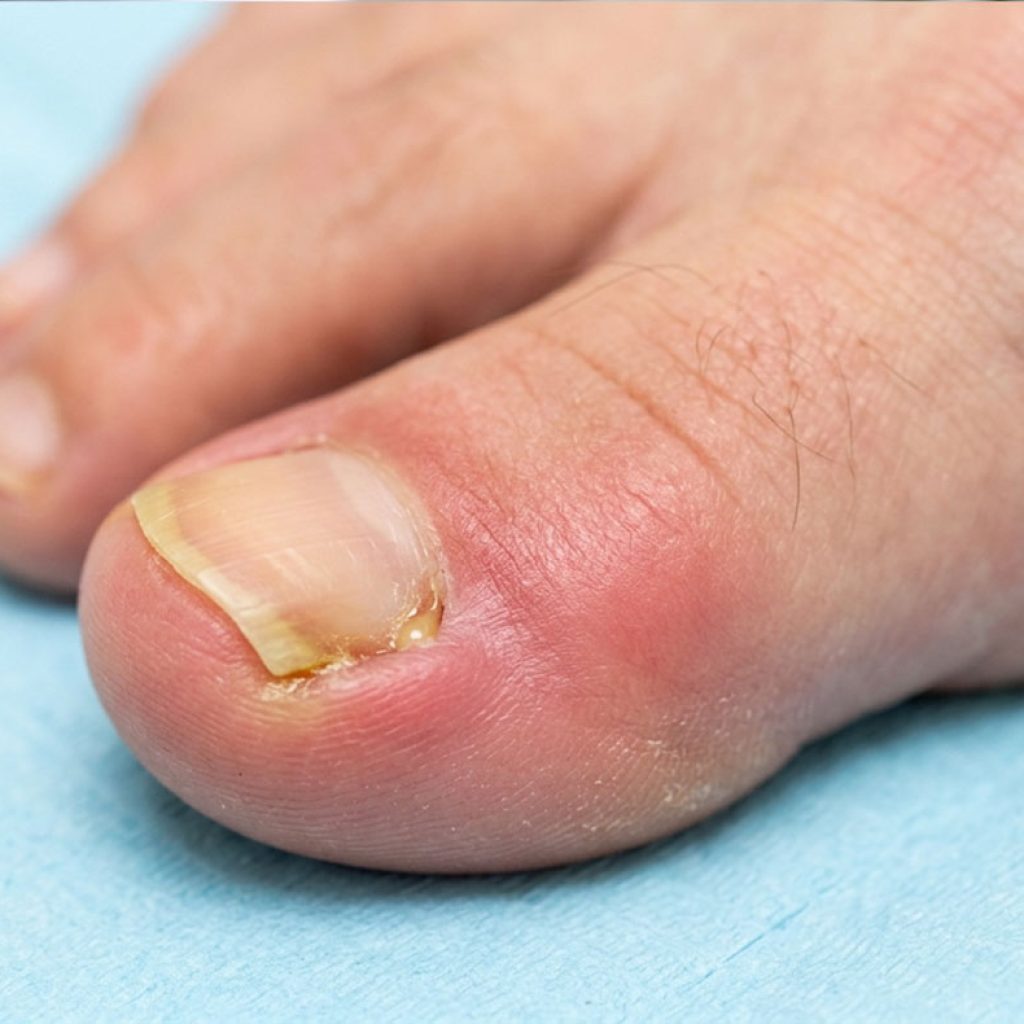
An ingrown toenail occurs when the edge or corner of a toenail grows into the surrounding skin, often leading to redness, swelling, and pain. While any toenail can be affected, the big toe is most commonly impacted.
This condition can result from improper nail trimming, wearing tight shoes, or experiencing repeated pressure or trauma to the toes. In some cases, genetics play a role, with some individuals naturally having curved nails that are more prone to becoming ingrown.
Signs You Have an Ingrown Toenail
It’s important to identify an ingrown toenail early to prevent complications. Common symptoms include:
- Redness and Swelling
The skin around the nail becomes inflamed, and swelling may appear along the nail edge. - Pain and Tenderness
Mild discomfort can progress to significant pain, particularly when pressure is applied to the toe. - Drainage or Pus
Infected ingrown toenails may produce yellow or white pus, accompanied by increased warmth in the area. - Overgrowth of Skin
The skin on the side of the nail might thicken or grow over the nail, worsening the condition.
Why Do Ingrown Toenails Develop?
Several factors contribute to the development of ingrown toenails:
- Improper Nail Trimming: Cutting nails too short or rounding the edges encourages the nail to grow into the skin.
- Tight Footwear: Shoes that squeeze the toes can push nails into the surrounding skin.
- Trauma: Repeated injuries to the toes, such as stubbing or activities like running, increase the risk.
- Foot Shape and Nail Growth: Flat feet, curved nails, or genetic predispositions can make ingrown toenails more likely.
How to Treat Ingrown Toenails
The good news is that with proper ingrown toenail treatment, this condition is highly manageable, and addressing it early can help prevent complications.
At-Home Remedies for Mild Cases
- Soak Your Foot
Use warm water with Epsom salt or mild soap to reduce inflammation and soften the nail. Soak for 15-20 minutes, 2-3 times a day. - Wear Comfortable Shoes
Avoid tight footwear and switch to open-toed shoes or sandals to relieve pressure on the toe. - Gently Lift the Nail
Place a small piece of cotton or dental floss under the ingrown edge to encourage it to grow away from the skin. Replace it daily.
Apply Antibiotic Ointment
Use an over-the-counter antibiotic cream to prevent infection and promote healing.
When to See a Professional
If the pain worsens, you notice signs of infection, or the nail continues to grow into the skin despite home care, it’s time to seek professional treatment.
Medical Treatment Options
- Partial Nail Removal: A podiatrist may trim or remove the ingrown portion of the nail under local anesthesia.
- Full Nail Removal: In severe cases, the entire nail may be removed to allow for proper regrowth.
- Matrixectomy: For recurring ingrown toenails, this procedure involves removing part of the nail matrix (the tissue that grows the nail) to prevent the nail from growing into the skin again.
- Antibiotics: Infections may require a prescription antibiotic to reduce swelling and prevent further complications.
Preventing Ingrown Toenails
Preventing ingrown toenails is often a matter of making small changes to your foot care routine:
- Trim Nails Properly: Cut nails straight across, leaving a slight length at the edge to avoid digging into the skin.
- Choose the Right Shoes: Opt for footwear that provides ample room for your toes.
- Avoid Trauma: Be mindful of repetitive activities that put pressure on your toes, like running or tight socks.
Why Timely Treatment Matters
Left untreated, ingrown toenail can lead to serious complications, particularly for individuals with diabetes or circulation issues. Chronic infections and tissue damage may require more invasive treatments, so early care is essential.
The Bottom Line
Whether it’s through diligent at-home care or professional intervention, addressing ingrown toenails promptly is key to relieving pain and restoring foot health. For severe or recurring cases, consulting with a podiatrist ensures long-term solutions and comfort.
Comments are closed.